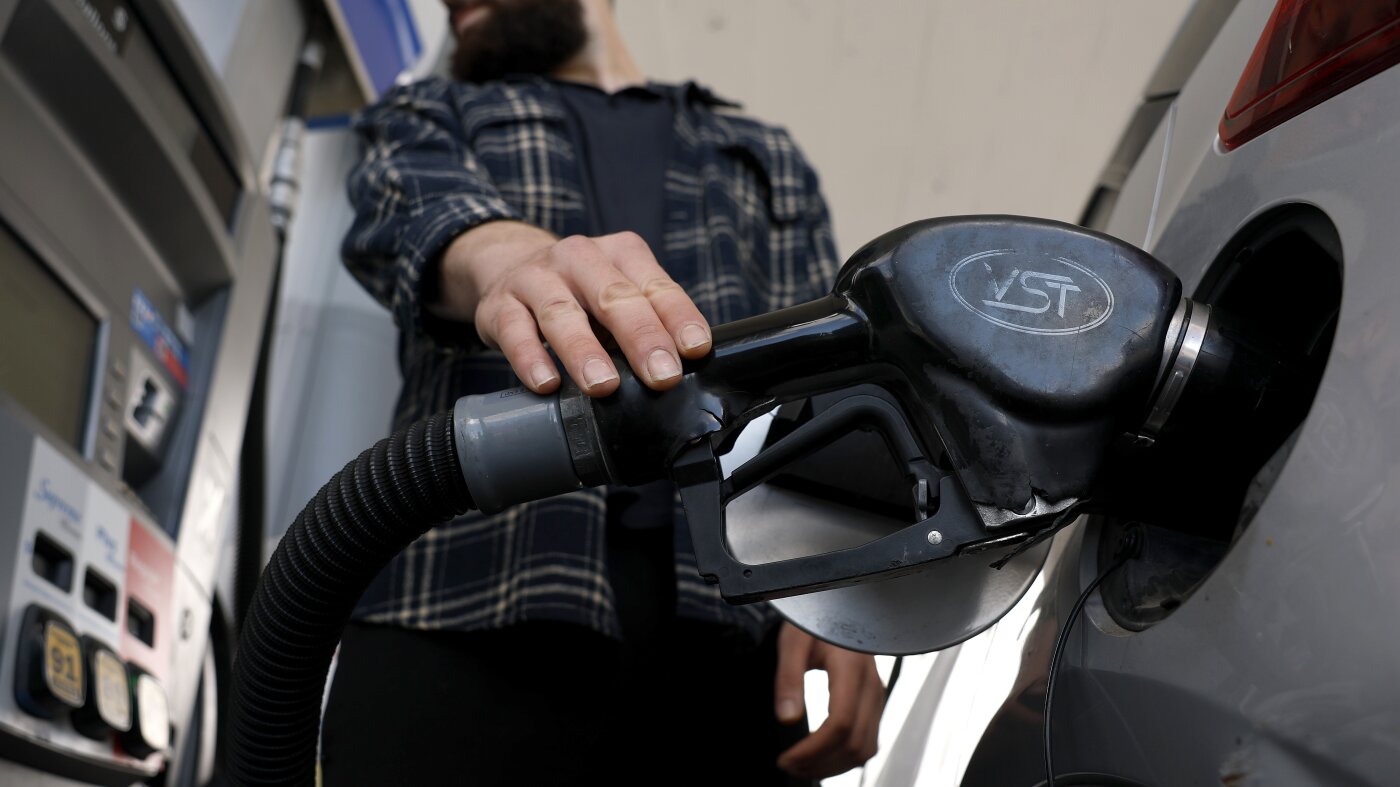
trend patterns Our platform delivers equity research covering earnings momentum, market sentiment, and technical trading signals. The national average price for a gallon of gasoline has reached $4.55 as the United States enters one of the busiest travel weekends of the year. Consumers are evaluating options to reduce fuel costs, including driving slower, shifting to electric vehicles, or avoiding travel altogether. These behaviors could have ripple effects on consumer spending patterns and broader energy market dynamics.
Live News
trend patterns Some traders combine sentiment analysis from social media with traditional metrics. While unconventional, this approach can highlight emerging trends before they appear in official data. Some investors use trend-following techniques alongside live updates. This approach balances systematic strategies with real-time responsiveness. According to recently reported data from NPR, the national average gasoline price stands at $4.55 per gallon, coinciding with a peak travel period in the United States. The report highlights that consumers are exploring various methods to cut fuel expenses, such as adjusting driving habits, considering electric vehicles, or potentially reducing travel. These strategies reflect immediate responses to elevated fuel costs, which have become a significant factor in household budgeting. The high price level comes during a time when many Americans are planning holiday trips, potentially influencing both travel volumes and spending decisions. While the source does not attribute specific figures to consumer behavior changes, the context suggests that fuel costs are a pressing concern for a large segment of the population. The options presented—slower driving, electrification, and travel avoidance—represent a spectrum of potential adjustments, each with different implications for personal finance and broader economic trends.
Soaring Gas Prices Prompt Consumer Cost-Saving Strategies as Holiday Travel Peaks Scenario analysis and stress testing are essential for long-term portfolio resilience. Modeling potential outcomes under extreme market conditions allows professionals to prepare strategies that protect capital while exploiting emerging opportunities.Some traders rely on alerts to track key thresholds, allowing them to react promptly without monitoring every minute of the trading day. This approach balances convenience with responsiveness in fast-moving markets.Soaring Gas Prices Prompt Consumer Cost-Saving Strategies as Holiday Travel Peaks Data-driven insights are most useful when paired with experience. Skilled investors interpret numbers in context, rather than following them blindly.Investors often rely on both quantitative and qualitative inputs. Combining data with news and sentiment provides a fuller picture.
Key Highlights
trend patterns Real-time data enables better timing for trades. Whether entering or exiting a position, having immediate information can reduce slippage and improve overall performance. Combining qualitative news analysis with quantitative modeling provides a competitive advantage. Understanding narrative drivers behind price movements enhances the precision of forecasts and informs better timing of strategic trades. Key takeaways from the current fuel price environment include potential shifts in consumer behavior that may affect multiple sectors. Higher gasoline prices could lead to reduced discretionary spending on other goods and services, as households allocate more to transportation costs. The emphasis on driving slower and exploring electric vehicles suggests a growing interest in fuel efficiency and alternative energy sources. This trend could accelerate adoption of electric vehicles, though the pace would depend on factors such as charging infrastructure and vehicle availability. Additionally, the avoidance of travel altogether might dampen demand for hospitality and tourism services during peak periods. From a market perspective, higher gasoline prices could support energy sector revenues in the short term, but may also prompt regulatory and policy discussions around energy independence and sustainability. The data point of $4.55 per gallon serves as a benchmark against which future price movements and consumer responses can be measured.
Soaring Gas Prices Prompt Consumer Cost-Saving Strategies as Holiday Travel Peaks Some investors track short-term indicators to complement long-term strategies. The combination offers insights into immediate market shifts and overarching trends.Some traders adopt a mix of automated alerts and manual observation. This approach balances efficiency with personal insight.Soaring Gas Prices Prompt Consumer Cost-Saving Strategies as Holiday Travel Peaks Some traders combine sentiment analysis with quantitative models. While unconventional, this approach can uncover market nuances that raw data misses.Diversification in analysis methods can reduce the risk of error. Using multiple perspectives improves reliability.
Expert Insights
trend patterns Access to global market information improves situational awareness. Traders can anticipate the effects of macroeconomic events. Observing how global markets interact can provide valuable insights into local trends. Movements in one region often influence sentiment and liquidity in others. From an investment perspective, the sustained elevation of gasoline prices may have broad implications across industries. Energy companies could see continued revenue support if crude oil prices remain high, though market volatility and geopolitical factors could influence this trajectory. The potential consumer pivot toward fuel efficiency and electric vehicles might benefit companies in the EV supply chain, including battery manufacturers and charging infrastructure providers. However, the pace of any such shift remains uncertain, as it depends on evolving consumer preferences, government policies, and technological advancements. Broader economic indicators, such as inflation and consumer confidence, could be influenced by fuel price trends. No specific stock recommendations or earnings projections are provided here, as outcomes would vary based on market conditions. Future developments in energy policy and consumer demand will likely shape these dynamics. As always, market participants should consider a range of scenarios and exercise caution when evaluating potential impacts. Disclaimer: This analysis is for informational purposes only and does not constitute investment advice.
Soaring Gas Prices Prompt Consumer Cost-Saving Strategies as Holiday Travel Peaks Real-time news monitoring complements numerical analysis. Sudden regulatory announcements, earnings surprises, or geopolitical developments can trigger rapid market movements. Staying informed allows for timely interventions and adjustment of portfolio positions.Trading strategies should be dynamic, adapting to evolving market conditions. What works in one market environment may fail in another, so continuous monitoring and adjustment are necessary for sustained success.Soaring Gas Prices Prompt Consumer Cost-Saving Strategies as Holiday Travel Peaks Investors may use data visualization tools to better understand complex relationships. Charts and graphs often make trends easier to identify.Investors who keep detailed records of past trades often gain an edge over those who do not. Reviewing successes and failures allows them to identify patterns in decision-making, understand what strategies work best under certain conditions, and refine their approach over time.