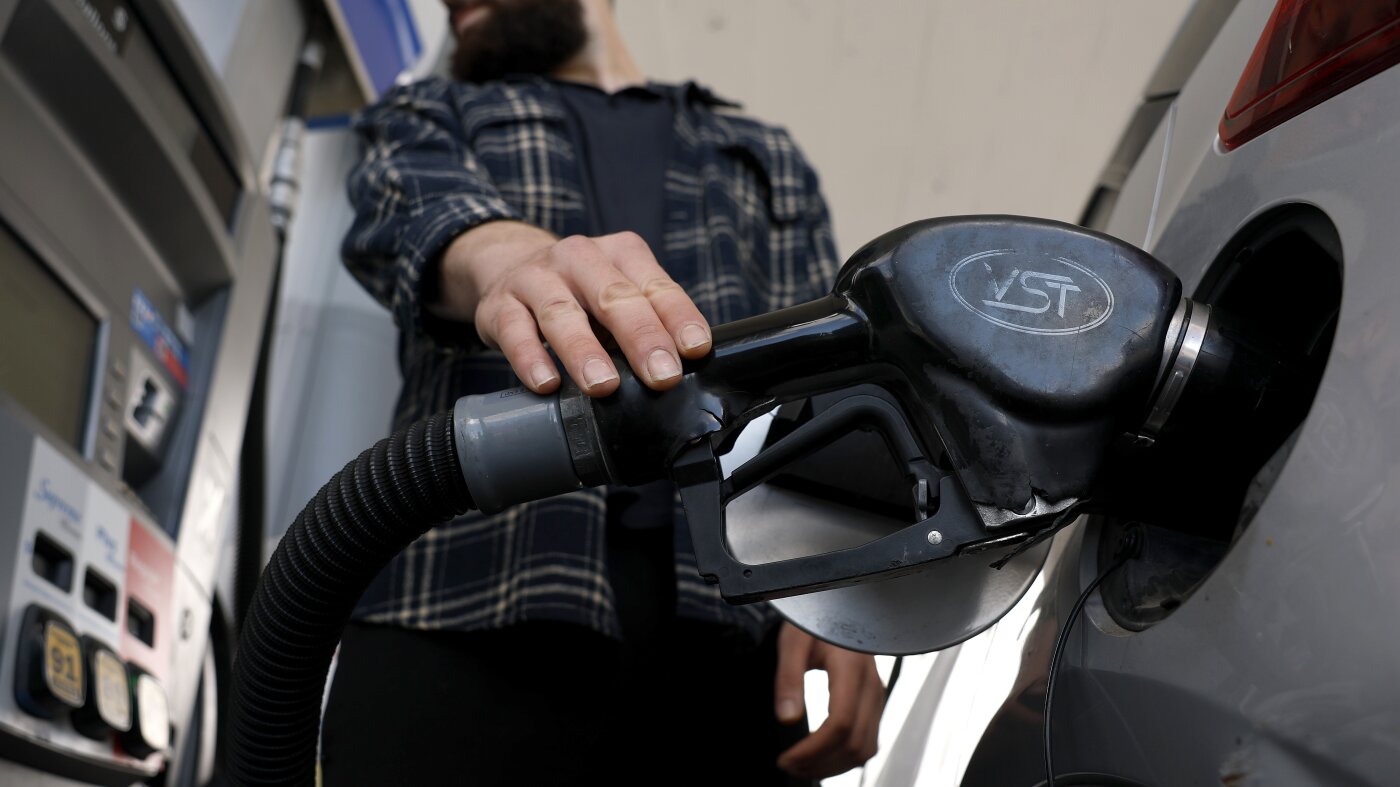
strategic insights The service focuses on stock market updates including earnings results and technical price movements. With the national average for a gallon of gasoline reaching $4.55 as the U.S. enters one of the busiest travel weekends of the year, consumers are seeking effective ways to reduce fuel costs. Options range from adjusting driving habits to considering electric vehicles or simply reducing travel, reflecting a broad search for savings amid elevated pump prices.
Live News
strategic insights While data access has improved, interpretation remains crucial. Traders may observe similar metrics but draw different conclusions depending on their strategy, risk tolerance, and market experience. Developing analytical skills is as important as having access to data. Volume analysis adds a critical dimension to technical evaluations. Increased volume during price movements typically validates trends, whereas low volume may indicate temporary anomalies. Expert traders incorporate volume data into predictive models to enhance decision reliability. The national average price for a gallon of regular gasoline stands at $4.55, according to the latest available data, as Americans prepare for the Memorial Day holiday travel period—traditionally one of the heaviest driving weekends. This price level represents a significant increase from prior years, prompting drivers to explore methods to cut fuel expenses. Common recommendations include reducing highway speed, as aerodynamic drag increases with speed and fuel efficiency typically declines above 50 miles per hour. Maintaining proper tire pressure, removing excess weight, and using cruise control on flat terrain can also contribute to modest gains in miles per gallon. For those with access to public transit or the ability to carpool, reducing total miles driven offers the most direct savings. Another option gaining attention is the shift toward electric vehicles (EVs). While upfront costs remain higher than conventional cars—and charging infrastructure varies by region—EVs can offer lower per-mile fuel costs, especially when charged at home during off-peak hours. For some households, avoiding non-essential trips entirely may be the most practical short-term measure, particularly if budgets are stretched by higher fuel prices. The driving tips and alternatives discussed in the original segment reflect a broad effort by consumers to adapt to elevated pump prices, though individual results may vary based on vehicle type, driving conditions, and local fuel costs.
Navigating High Gas Prices: Strategies for Cost Savings as National Average Hits $4.55 Some investors focus on macroeconomic indicators alongside market data. Factors such as interest rates, inflation, and commodity prices often play a role in shaping broader trends.Access to multiple indicators helps confirm signals and reduce false positives. Traders often look for alignment between different metrics before acting.Navigating High Gas Prices: Strategies for Cost Savings as National Average Hits $4.55 Predictive tools often serve as guidance rather than instruction. Investors interpret recommendations in the context of their own strategy and risk appetite.Some traders prioritize speed during volatile periods. Quick access to data allows them to take advantage of short-lived opportunities.
Key Highlights
strategic insights Data-driven insights are most useful when paired with experience. Skilled investors interpret numbers in context, rather than following them blindly. Some traders adopt a mix of automated alerts and manual observation. This approach balances efficiency with personal insight. The key takeaway from the elevated gas price environment is the potential for a shift in consumer behavior, which could have downstream effects on the broader economy. Higher fuel costs may reduce discretionary spending in other areas, as households allocate more of their budgets to transportation. This pattern is often observed when gasoline prices spike around major travel holidays. For the automotive industry, sustained high prices could accelerate interest in fuel-efficient vehicles, hybrids, and EVs. Automakers that have been investing heavily in electrification may see increased attention from cost-conscious buyers, though adoption rates would also depend on charging infrastructure and vehicle availability. Conversely, demand for large, fuel-inefficient vehicles could soften in the near term. From an energy perspective, the $4.55 national average signals tight supply-demand dynamics in the oil market. Refinery capacity constraints, geopolitical tensions, and seasonal demand all contribute to the price level. While individual drivers cannot control global supply, their collective response to high prices—such as reducing miles traveled—could modestly affect overall gasoline consumption, potentially influencing future price trends.
Navigating High Gas Prices: Strategies for Cost Savings as National Average Hits $4.55 Macro trends, such as shifts in interest rates, inflation, and fiscal policy, have profound effects on asset allocation. Professionals emphasize continuous monitoring of these variables to anticipate sector rotations and adjust strategies proactively rather than reactively.Observing correlations between markets can reveal hidden opportunities. For example, energy price shifts may precede changes in industrial equities, providing actionable insight.Navigating High Gas Prices: Strategies for Cost Savings as National Average Hits $4.55 The increasing availability of analytical tools has made it easier for individuals to participate in financial markets. However, understanding how to interpret the data remains a critical skill.Understanding cross-border capital flows informs currency and equity exposure. International investment trends can shift rapidly, affecting asset prices and creating both risk and opportunity for globally diversified portfolios.
Expert Insights
strategic insights Some traders use alerts strategically to reduce screen time. By focusing only on critical thresholds, they balance efficiency with responsiveness. Predictive tools are increasingly used for timing trades. While they cannot guarantee outcomes, they provide structured guidance. The national average price for a gallon of regular gasoline stands at $4.55, according to the latest available data, as Americans prepare for the Memorial Day holiday travel period—traditionally one of the heaviest driving weekends. This price level represents a significant increase from prior years, prompting drivers to explore methods to cut fuel expenses. Common recommendations include reducing highway speed, as aerodynamic drag increases with speed and fuel efficiency typically declines above 50 miles per hour. Maintaining proper tire pressure, removing excess weight, and using cruise control on flat terrain can also contribute to modest gains in miles per gallon. For those with access to public transit or the ability to carpool, reducing total miles driven offers the most direct savings. Another option gaining attention is the shift toward electric vehicles (EVs). While upfront costs remain higher than conventional cars—and charging infrastructure varies by region—EVs can offer lower per-mile fuel costs, especially when charged at home during off-peak hours. For some households, avoiding non-essential trips entirely may be the most practical short-term measure, particularly if budgets are stretched by higher fuel prices. The driving tips and alternatives discussed in the original segment reflect a broad effort by consumers to adapt to elevated pump prices, though individual results may vary based on vehicle type, driving conditions, and local fuel costs.
The key takeaway from the elevated gas price environment is the potential for a shift in consumer behavior, which could have downstream effects on the broader economy. Higher fuel costs may reduce discretionary spending in other areas, as households allocate more of their budgets to transportation. This pattern is often observed when gasoline prices spike around major travel holidays. For the automotive industry, sustained high prices could accelerate interest in fuel-efficient vehicles, hybrids, and EVs. Automakers that have been investing heavily in electrification may see increased attention from cost-conscious buyers, though adoption rates would also depend on charging infrastructure and vehicle availability. Conversely, demand for large, fuel-inefficient vehicles could soften in the near term. From an energy perspective, the $4.55 national average signals tight supply-demand dynamics in the oil market. Refinery capacity constraints, geopolitical tensions, and seasonal demand all contribute to the price level. While individual drivers cannot control global supply, their collective response to high prices—such as reducing miles traveled—could modestly affect overall gasoline consumption, potentially influencing future price trends.
Navigating High Gas Prices: Strategies for Cost Savings as National Average Hits $4.55 Observing correlations across asset classes can improve hedging strategies. Traders may adjust positions in one market to offset risk in another.Alerts help investors monitor critical levels without constant screen time. They provide convenience while maintaining responsiveness.Navigating High Gas Prices: Strategies for Cost Savings as National Average Hits $4.55 Many investors appreciate flexibility in analytical platforms. Customizable dashboards and alerts allow strategies to adapt to evolving market conditions.Data-driven insights are most useful when paired with experience. Skilled investors interpret numbers in context, rather than following them blindly.